 TRIPADVISOR
 OUR
OUR EASY TRIP
 INSTANT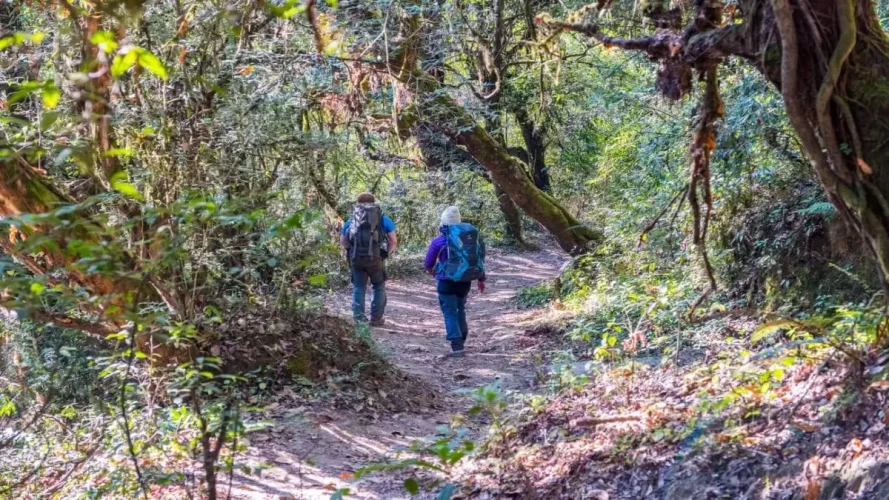
Kathmandu Valley Trek: The Ultimate Short Himalayan Adventure Right Next to Kathmandu
Posted in 6th Apr, 2026
If you’re short on time but long on desire for Himalayan vistas, age-old villages, and tranquil forest paths, the Kathmandu Valley Trek is a top-tier option. This straightforward, moderately challenging trek loops around the Kathmandu Valley’s edge, providing an ideal mix of natural beauty, cultural experiences, and breathtaking mountain views all without the need to fly to Lukla or commit to weeks of trekking.
Whether you have 3 days or can stretch it to 5–7, the Kathmandu Valley trek delivers an authentic taste of trekking life with far less hassle than the big classic routes.
Why the Kathmandu Valley Trek is a Great Choice for Many?
This trek is a welcome alternative to the more demanding high-altitude routes. It mostly sits between 1,300m and 2,400m, which is a big plus. It’s perfect for:
- Beginners.
- Families with older children.
- Solo travelers with limited time.
- Anyone who wants a softer start to Himalayan trekking, or is still adjusting after a long flight.
You’ll experience a bit of everything: the lush forests of Shivapuri Nagarjun National Park, traditional Tamang and Newari villages, terraced farmland, and, on good days, views of Everest and nearby peaks like Langtang Lirung, Dorje Lakpa, and Ganesh Himal.
The trails are well-used but never overwhelmingly crowded. You’ll share the path with local farmers carrying loads, school kids in uniform, and the occasional monk heading to a hillside gompa.
The Classic 3-Day Chisapani Nagarkot Trek: A Popular Choice
The three-day Chisapani Nagarkot trek remains a favorite, drawing trekkers from all over to the Kathmandu Valley.
Here’s the plan:
Day 1: From Kathmandu to Sundarijal, then on to Chisapani (a trek of about 5–6 hours).
A short drive, taking about half an hour to forty-five minutes, will bring you to Sundarijal, the starting point for Shivapuri National Park.
From there, the trail ascends, winding past a waterfall and into the cool embrace of a shaded forest. Monkeys can be heard chattering above, and the air is a welcome change from the city’s hustle and bustle.
By the time the sun starts to dip, you’ll be in Chisapani, a tiny village perched on a ridge, roughly 2,200 meters up.
The teahouses here are basic but welcoming. Sit on the terrace with a cup of ginger tea and watch the sun set behind the western Himalayas. The views at dusk are simply magical.
Day 2: Chisapani to Nagarkot (5–7 hours walking)
This is the scenic highlight. The path winds across open ridges, presenting sweeping views of the Kathmandu Valley on one side and the towering mountains on the other. You’ll walk through tranquil Tamang villages, where life moves at a gentle pace: women skillfully weave on traditional looms, children play, and friendly “Namaste” greetings are shared with each passing moment.
The final stretch into Nagarkot can feel a bit long on a hot day, but the reward is huge. Nagarkot (around 1,900–2,100m) is famous for its panoramic Himalayan outlook. Many lodges offer inviting accommodations, including rooms with balconies.
These are ideal for sipping drinks as the sun sets, or for those who prefer a sunrise wake-up call.
Day 3: Nagarkot to Changunarayan → Back to Kathmandu (3–4 hours walking + short drive)
Get up before dawn; the early morning haze is a small price to pay for the view. The sunrise, with its light painting the snow-clad peaks, is a memory that stays with you.
Following breakfast, the route takes you down through forests and fields, eventually leading to the historic Changunarayan Temple. This UNESCO World Heritage site boasts elaborate carvings dating back to the fifth century. The return journey to Bhaktapur or central Kathmandu is straightforward, whether by car or public bus.
Extending Your Kathmandu Valley Trek (4–7 Days)?
Got a few extra days? Consider lengthening your trek. It’s a chance to really immerse yourself in the whole experience. Incorporate Dhulikhel and Namo Buddha. These destinations offer tranquil monastery visits and the chance to explore scenic ridge walks. Head to Balthali or Panauti for a more profound experience of rural Newari and Tamang culture. Explore less-traveled agricultural landscapes and time-honored villages for an authentic cultural experience. These extensions help keep daily walking distances manageable, typically around four to six hours, and they also offer a change of scenery and fewer crowds.
Best Time for the Kathmandu Valley Trek
Autumn, from September to November, and spring, from March to May, are generally considered the best times to go. Autumn brings crisp air, crystal-clear skies, and the best mountain visibility. It’s peak season but still far quieter than the big treks.
Spring offers warmer days and hillsides bursting with rhododendron blooms Nepal’s national flower turns the landscape fiery red.
Winter, from December through February, is a good bet if you’re okay with brisk mornings and evenings. The monsoon season, however, which runs from June to August, means rain, muddy paths, and overcast skies. It’s probably best to steer clear of that time, unless you’re particularly fond of lush greenery and don’t mind a few leeches.
Difficulty, Cost & Practical Tips
It’s a moderate trek. A reasonable level of fitness will help, but you don’t need to be an experienced trekker or possess any special skills. The daily ups and downs are usually straightforward, and altitude sickness isn’t a frequent problem.
Cost: A three-day guided trek, including basic teahouse lodgings and meals, will set you back approximately US$180–350 per person. The final price hinges on the size of your group and the level of comfort you desire. While you can trek independently, hiring a local guide offers safety, insights into the culture, and, frankly, a bit of peace of mind.
What to Bring:
- Your well-loved hiking shoes or boots are a must.
- Pack quick-dry trekking pants and two or three moisture-wicking shirts.
- Don’t forget a fleece jacket and a waterproof shell.
- A warm hat, gloves, and layers are essential for those brisk mornings and evenings.
- A daypack (20–30L), a reusable water bottle, a headlamp, sunscreen, and a basic first-aid kit (think blisters, headaches, and stomach issues) are all good ideas.
- Bring snacks, a power bank, and a camera or phone to capture those stunning sunrises.
- Travel light; most guesthouses offer blankets, and you can always purchase or rent anything extra you might need in Kathmandu.
Is the Kathmandu Valley Trek Worth It?
In one word – yes.
It’s not about scaling the highest peaks or checking off well-known routes. It’s about taking a step back, inhaling the crisp mountain air, forging connections with the welcoming locals, and discovering just how accessible the true beauty of the Himalayas is, right outside Kathmandu’s busy streets. Many travelers, it turns out, find this short hike to be the highlight of their Nepal trip. It’s often more rewarding and memorable than they ever expected. For anyone with Nepal on their mind, but a tight schedule, this is where to begin. You can get a taste of trekking without dedicating weeks. Combine it with some exploration of Kathmandu, Patan, and Bhaktapur, and you’ve got a trip that’s got it all.


