 TRIPADVISOR
 OUR
OUR EASY TRIP
 INSTANT
Everest Base Camp Trek 14 Days Itinerary 2026/27
Posted in 26th Jan, 2026
Everest Base Camp Trek 14 Days Itinerary 2026/27: Complete Guide to Cost, Route & Planning
Being at the foot of the world’s tallest peak is now a reality. The Everest Base Camp Trek 14 Days Itinerary 2026/27 provides adventurers with a safe, well-structured, and holistic path that would see them reach 5,364 meters. This trek is appealing to thousands of trekkers every year, and they want to have the ultimate Himalayan experience. Whether you are an experienced hiker or a beginner, it is necessary to know the itinerary, price, permits, and logistics of this life-altering trip before you take it.
This is a guide to all you have to know. You will have a breakdown of the day-by-day budget estimates, packing tips, and preparation tips. This information is applicable to the adventure travelers, hiking enthusiasts, and all other individuals who have planned to undertake a high-altitude expedition in Nepal. We will provide you with a step-by-step guide and some of the most important destinations, and we will tell you why this 14-day program is the most balanced way to get to Everest Base Camp.
Why Choose the 14 Days Everest Base Camp Trek Itinerary?
Everest Base Camp Trek 14 Days Itinerary 2026/27 is best suited for adequate acclimatization. The shorter itineraries raise the risk of altitude sickness, and the longer ones might not be suitable for the tight schedule. During this time, the body slowly adapts to high altitudes. Before you reach the base camp, you will go through the Sherpa villages, Buddhist monasteries, and alpine forests.
Above all, rest days in Namche Bazaar and Dingboche have also been included in this itinerary. Such stops minimize the risks to health and increase the success rates of the summit. The Nepal Tourism Board says that the first safety advice in high-altitude treks is proper acclimatization.
Everest Base Camp Trek 14 Days Itinerary 2026/27: Day-by-Day Breakdown
The following is a full itinerary that will be a balance between walking, relaxing, and sightseeing:
| Day | Route | Altitude (m) | Duration | Accommodation |
|---|---|---|---|---|
| 1 | Arrival in Kathmandu | 1,400 | — | Hotel |
| 2 | Fly to Lukla, Trek to Phakding | 2,610 | 3–4 hours | Teahouse |
| 3 | Phakding to Namche Bazaar | 3,440 | 5–6 hours | Teahouse |
| 4 | Acclimatization Day in Namche | 3,440 | — | Teahouse |
| 5 | Namche to Tengboche | 3,860 | 5–6 hours | Teahouse |
| 6 | Tengboche to Dingboche | 4,410 | 5–6 hours | Teahouse |
| 7 | Acclimatization Day in Dingboche | 4,410 | — | Teahouse |
| 8 | Dingboche to Lobuche | 4,910 | 5–6 hours | Teahouse |
| 9 | Lobuche to Gorak Shep, Visit EBC | 5,364 | 7–8 hours | Teahouse |
| 10 | Gorak Shep to Kala Patthar, Descend to Pheriche | 4,240 | 7–8 hours | Teahouse |
| 11 | Pheriche to Namche Bazaar | 3,440 | 6–7 hours | Teahouse |
| 12 | Namche to Lukla | 2,860 | 6–7 hours | Teahouse |
| 13 | Fly back to Kathmandu | 1,400 | — | Hotel |
| 14 | Departure | 1,400 | — | — |
This schedule has two acclimatization days, which minimizes risks. The best day is day 9 when you arrive at the Everest Base Camp. On the 10th day, you will hike up to Kala Patthar and see the sunrise over Mount Everest, and then you will come down.
To get more adventure, you can also consider the Lobuche Peak Climbing as an extension of your trip or include the EBC and Gokyo Kalapathar Trek to have a breathtaking view of the lakes and the panoramic scenery of the glaciers.
Everest Base Camp Trek Cost 2026/27: Budget Breakdown
To effectively plan, it is important to understand the EBC trek cost per person. The prices are different according to package type, size of the group, and services they comprise.
| Cost Component | Budget Trek (USD) | Standard Trek (USD) | Luxury Trek (USD) |
|---|---|---|---|
| Permits & Fees | 50–70 | 50–70 | 50–70 |
| Flight (Kathmandu–Lukla) | 350–400 | 350–400 | 350–400 |
| Accommodation | 200–300 | 400–600 | 800–1,200 |
| Meals | 250–350 | 350–500 | 600–900 |
| Guide & Porter | 400–600 | 700–900 | 1,200–1,500 |
| Insurance & Misc | 100–150 | 150–200 | 200–300 |
| Total per Person | 1,350–1,870 | 2,000–2,670 | 3,200–4,370 |
The Everest Base Camp Trek 14 Days Itinerary 2026/27 package will cover the price of the permits, domestic flights, the services of a guide, and the meals. Budget packages are favorable to the lone backpackers, with luxury packages including private guides and the best lodges.
Himalayan Database indicates that the majority of trekkers pay between 1500 and 2500 dollars to do a 14-day guided trek. This Everest Base Camp trek budget exclusion covers the international flights and travel insurance as well as personal equipment.
Everest Base Camp Trek Permits and Fees
Two main permits will be required:
Sagarmatha National Park entry permit: NPR 3,000 (approximately 23 USD).
Khumbu Pasang Lhamu Rural Municipality Permit: NPR 2,000 (~$15 USD)
These are required permits that are inspected at entry points. Your trekking agency typically handles this for you. No one can go further than Monjo village without documentation.
This permits the implementation of local conservation and development projects. During the trek, they are provided before starting the trek either in Kathmandu or Lukla.
Best Time for Everest Base Camp Trek 2026/27
Timing impacts your experience significantly. The best time for Everest Base Camp trek 2026/27 falls into two windows:
Spring Season (March–May)
Sunny weather and average conditions.
The trail is covered with the bloom of rhododendrons.
Peak season is when the teahouses are more available.
Autumn Season (September–November)
The weather is clear and the landscapes are mountainous.
Cozy climbers can boast of comfortable temperatures.
The high season attracts the highest number of trekkers.
Monsoon (June-August) is to be avoided because it is downpouring and cloudy. The extreme cold and possible closings of the trail occur in winter (December-February).
Nepal Mountain News recommends spring and autumn because the probability of clear weather is 85 percent, which will give you the best chances of viewing the mountains’ summits.
Everest Base Camp Trek Difficulty and Duration
This trek is moderately difficult. You’ll hike 5–8 hours daily on uneven terrain. The Everest Base Camp trek difficulty and duration demands good fitness levels but doesn’t require technical climbing skills.
Challenges include:</strong>
- High altitude and thin air
Long daily walking hours
- Basic teahouse facilities
The weather conditions in the mountains can be unpredictable.
Proper preparation achieves risk mitigation. Weight train, train using cardio, and train hiking with a backpack. Mental preparation is also very essential for the challenging days ahead.
The Everest Panorama Trek is an amazing mountain panorama trek that takes only 5-7 days, especially when the trekker would like to have a short acclimatization experience. Alternatively, Island Peak Climbing can be included in the trip of technical climbers, and it will offer a summit experience of 6,189 meters.
Everest Base Camp Trek Route Map and Highlights
The Everest Base Camp trek route map follows the classic Khumbu Valley path:
Key Highlights:
Tenzing-Hillary Airport (the most dangerous airport in the world) in Lukla.
Namche Bazaar (capital of Sherpas and markets and museums)
Tengboche Monastery (spiritual center that offers views of Everest)
Kala Patthar (the most strategic point to see the sunrise of Mount Everest)
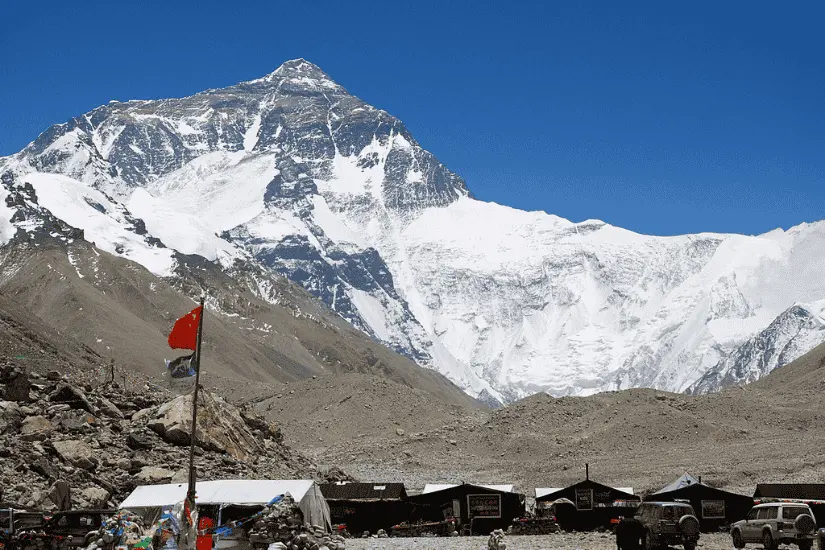
Everest Base Camp (5,364 m—last destination)
The road goes through hanging bridges, glacial rivers, and ancient Buddhist stupas. The villages have different cultural information about Sherpa customs and mountain lifestyles.
Packing Essentials for Your Everest Base Camp Trek 14 Days Itinerary 2026/27
Clothing:
- Base layers that absorb away moisture
- Jacket and coat with insulation
- Thermal underwear and trekking pants
- “whitespace-normal break-words pl-2”>Jacket and pants that keep water out
Gear:
- Good hiking boots (broken in)
- Sleeping bag with a rating of -15°C
- Walking sticks
- Headlamp with spare batteries
Accessories:
- Sunglasses that protect against UV rays
- Sunscreen with an SPF of 50 or higher
- Tablets for cleaning water
- Medicine for altitude sickness and a first-aid kit
Don’t skimp on the things you need, but pack light. Porters handle your main luggage, but you should keep a daypack for your personal things.
Accommodation and Food During the Trek
Teahouses are simple yet comfortable rooms. There are two beds that have pillows and mattresses. Blankets can be found, although a sleeping bag can keep you warm.
Typical Meals:
Breakfast: porridge, eggs, bread, and tea.
Lunch: Dal bhat, noodle soup, pasta
- Dinner: fried rice, momos, and potatoes.
Basic packages do not include food costs. Budget 25–35 a day for high-altitude meals, as prices are high due to transportation costs.
Travel Insurance and Safety Considerations
Full-fledged travel insurance is obligatory. Your policy must cover:
In the event of an emergency, your policy must cover helicopter evacuation.
Inpatient hospital services up to 6,000 meters.
Delays and trip cancellation.
Lost or damaged equipment
The most serious health problem is altitude sickness. The symptoms include nausea, headaches, and dizziness. Go down the ladder in case of acute symptoms. Guides have pulse oximeters and oxygen cylinders.
Why Book a Guided Everest Base Camp Trek 14 Days Itinerary 2026/27 Package?
Although it can be independent, trekking has much more to consider with guide packages:
- Expert local guides with mountain knowledge
Porter services to bring heavy loads.
Permits and logistics that are pre-established.
Medical and emergency aid are also provided.
Linguistic and cultural understanding.
All the planning work is done by professional agencies, leaving you to attend to the experience. An experienced support team ensures the safety and enjoyment of theEverest Base Camp Trekking.
Final Thoughts on Your Everest Base Camp Trek 14 Days Itinerary 2026/27
The Everest Base Camp Trek 14 Days Itinerary 2026/27 offers the most ideal trip of adventure, safety, and culture. This all-inclusive plan will guarantee that you have been well acclimatized and you will get the most out of the Himalayas. You can learn about every part of Kathmandu and enjoy the majesty of Everest Base Camp.
It is important to remember that preparation is the key. Train, pack, and select a good trekking agency. When you are 5,364 meters tall with the world’s highest mountains surrounding you, the time, money, and effort invested are worth it. It is not merely a walk but a metamorphic experience that you will have forever.
Ready to Book Your Everest Base Camp Trek 14 Days Itinerary 2026/27?
Wait no longer to make your Himalayan dreams come true. Book in now with the trekking operators that you like to be sure of getting your place in the 2026/27 season. Premier reservation guarantees superior reservation of flights, permits, and accommodation. The mountains have become a call—answer with confidence, preparation, and excitement. Your adventure to Everest Base Camp is coming.
Get ready to start travelling and make a lifetime memory.
Frequently Asked Questions
Q1: Do novices have a chance to do the Everest Base Camp trek?
Yes, well, that takes proper preparation and fitness training. The hike does not involve any technical expertise, and one needs to be in excellent cardiovascular health.
Q2: What does the Everest Base Camp trek itinerary cost?
Most packages are composed of permits, domestic flights, accommodation, guide and porter services, and include some of the meals. Personal expenses and international flights are omitted.
Q3: In what ways can I avoid altitude sickness on the 14 days Everest Base Camp trek itinerary?
Adhere to the acclimatization program, stay hydrated, avoid alcohol, and climb slowly. Namche and Dingboche rest days are very essential.
Q4: Does it have a WiFi connection on the trek?
Yes, the majority of teahouses have WiFi at a charge of 3–5 dollars/day. Connection is also slower in high altitudes and can be ineffective.
Q5: Will I be able to walk up to the base camp of Everest alone?
Legal, yes, but it is not advisable. Trekking on one’s own, without emergency, local, and navigation help, exposes individuals to greater danger.
Planning a trip in Nepal?
Explore curated trekking and tour packages, or customize your own itinerary.
Explore TripsCustomize Trip